



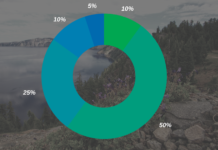









- Detailed analysis for market shifts with https://www.bangalinews.in/category/business-trends/ revealing future pathways
- The Rise of Sustainable Business Practices
- The Economic Implications of Green Initiatives
- The Acceleration of Digital Transformation
- The Role of Artificial Intelligence in Business
- The Evolving Nature of the Workforce
- The Importance of Upskilling and Reskilling
- The Growth of the Metaverse and Web3
- Supply Chain Resilience as a Strategic Priority
- Navigating the Shifting Landscape of Consumer Privacy
Detailed analysis for market shifts with https://www.bangalinews.in/category/business-trends/ revealing future pathways
The contemporary business landscape is in a constant state of flux, demanding a proactive and informed approach to navigate its evolving challenges and opportunities. Staying abreast of emerging trends is no longer a competitive advantage but a necessity for survival and growth. A vital resource for staying informed about these dynamic shifts is available at https://www.bangalinews.in/category/business-trends/, offering insightful analysis and reporting on the forces shaping the modern marketplace. Understanding these trends allows businesses to anticipate changes, adapt strategies, and capitalize on new possibilities.
The ability to accurately interpret market signals and understand the underlying drivers of change is paramount. Businesses that can successfully decipher these trends are better positioned to make informed decisions, optimize operations, and secure a sustainable future. This requires a commitment to continuous learning, data-driven insights, and a willingness to embrace innovation. The information readily available on platforms like Bangali News, specifically within their business trends section, can be instrumental in building this capacity and fostering a culture of adaptability.
The Rise of Sustainable Business Practices
Sustainability is no longer a niche concern but a core business imperative. Consumers are increasingly demanding products and services from companies that demonstrate a commitment to environmental and social responsibility. This shift in consumer behavior is driving a fundamental transformation across industries, forcing businesses to re-evaluate their practices and prioritize sustainability in their long-term strategies. Investing in sustainable solutions is not merely an ethical obligation; it’s a sound business decision that can enhance brand reputation, attract talent, and unlock new market opportunities. The demand for environmentally friendly products and services is only expected to grow, making sustainability a critical factor for long-term success.
The Economic Implications of Green Initiatives
Implementing sustainable business practices often necessitates initial investments, but these investments can yield significant long-term economic benefits. Reducing waste, improving energy efficiency, and adopting circular economy principles can lower operating costs and increase profitability. Furthermore, companies that embrace sustainability are often eligible for government incentives and tax breaks. The green economy is creating new jobs and driving innovation in areas such as renewable energy, sustainable agriculture, and green technology. This represents a substantial economic opportunity for businesses willing to adapt and invest in a sustainable future. The transition to a green economy isn't just an environmental necessity; it's a compelling economic strategy.
| Metric | 2022 | 2023 | Projected 2024 |
|---|---|---|---|
| Consumer Spend on Sustainable Products | $638 Billion | $725 Billion | $850 Billion |
| Investment in Renewable Energy | $366 Billion | $419 Billion | $475 Billion |
| Companies with ESG Initiatives | 52% | 61% | 73% |
As illustrated in the table above, the growth in these areas is substantial and demonstrates the increasing importance of sustainability in the business world. The numbers underscore the potential for both economic gains and positive environmental impact.
The Acceleration of Digital Transformation
Digital transformation is fundamentally reshaping how businesses operate, interact with customers, and compete in the marketplace. Technologies such as artificial intelligence (AI), machine learning (ML), cloud computing, and the Internet of Things (IoT) are enabling businesses to automate processes, gain deeper insights into customer behavior, and develop innovative products and services. The COVID-19 pandemic accelerated this trend as businesses were forced to adopt digital solutions to maintain operations and reach customers remotely. This shift is not merely about adopting new technologies; it's about fundamentally rethinking business models and embracing a digital-first mindset. Those who resist are likely to be left behind.
The Role of Artificial Intelligence in Business
Artificial intelligence is rapidly becoming a core component of digital transformation efforts. AI-powered tools can automate repetitive tasks, improve decision-making, personalize customer experiences, and drive innovation. Machine learning algorithms can analyze vast amounts of data to identify patterns and insights that would be impossible for humans to detect. Businesses are leveraging AI in a wide range of applications, including customer service chatbots, fraud detection systems, predictive maintenance, and personalized marketing campaigns. The potential applications of AI are virtually limitless, and its impact on the business world is only expected to grow.
- Enhanced Customer Experience through personalization
- Improved Operational Efficiency through automation
- Data-Driven Decision Making with advanced analytics
- New Product and Service Innovation through AI-powered research
- Reduced Costs through streamlined processes
These points highlight the diverse benefits that AI offers to businesses of all sizes. Embracing AI is no longer a luxury but a necessity for staying competitive and driving growth.
The Evolving Nature of the Workforce
The workforce is undergoing a significant transformation, driven by demographic shifts, technological advancements, and changing employee expectations. The rise of remote work, the gig economy, and the demand for flexible work arrangements are challenging traditional employment models. Businesses need to adapt their talent management strategies to attract, retain, and develop a skilled workforce in this new environment. Investing in employee training and development is crucial to ensure that employees have the skills needed to thrive in a rapidly changing workplace. The focus is shifting from simply filling positions to cultivating a culture of continuous learning and adaptation.
The Importance of Upskilling and Reskilling
With the rapid pace of technological change, many existing jobs are becoming obsolete while new jobs are being created. This requires a proactive approach to upskilling and reskilling the workforce. Upskilling involves enhancing employees’ existing skills to meet the demands of new technologies and changing job roles. Reskilling involves training employees for entirely new roles. Businesses need to invest in comprehensive training programs that equip employees with the skills they need to succeed in the future. This includes not only technical skills but also soft skills such as critical thinking, problem-solving, and communication. Providing opportunities for continuous learning is essential for attracting and retaining top talent.
- Identify skill gaps within the organization.
- Develop targeted training programs.
- Provide access to online learning resources.
- Offer mentorship and coaching opportunities.
- Encourage employees to pursue professional certifications.
Following these steps can help organizations build a future-ready workforce capable of navigating the challenges and opportunities of the evolving labor market.
The Growth of the Metaverse and Web3
The metaverse and Web3 represent the next evolution of the internet, promising to create immersive digital experiences and empower users with greater control over their data and online identities. The metaverse is a virtual world where users can interact with each other and digital objects in real-time, while Web3 is a decentralized internet built on blockchain technology. These technologies have the potential to disrupt a wide range of industries, from gaming and entertainment to commerce and education. Businesses are beginning to explore the possibilities of creating virtual storefronts, hosting virtual events, and developing new digital products and services within these emerging ecosystems. While still in its early stages, the metaverse and Web3 are poised to have a significant impact on the future of business.
Supply Chain Resilience as a Strategic Priority
Recent global events, including the COVID-19 pandemic and geopolitical instability, have exposed the vulnerabilities of global supply chains. Businesses are now prioritizing supply chain resilience as a strategic imperative, seeking to diversify sourcing, build inventory buffers, and improve visibility into their supply networks. This involves investing in technologies such as blockchain and AI to track goods and materials throughout the supply chain and identify potential disruptions. Building stronger relationships with suppliers and developing contingency plans are also crucial elements of a resilient supply chain strategy. The focus is shifting from simply minimizing costs to ensuring continuity of supply and mitigating risks. The insights available from resources like https://www.bangalinews.in/category/business-trends/ are vital in understanding these systemic shifts.
Navigating the Shifting Landscape of Consumer Privacy
Consumer awareness of data privacy is growing, leading to increased regulatory scrutiny and a demand for greater transparency and control over personal information. Businesses need to comply with evolving data privacy regulations, such as the General Data Protection Regulation (GDPR) and the California Consumer Privacy Act (CCPA). This requires implementing robust data security measures, obtaining informed consent from consumers, and providing individuals with the ability to access, correct, and delete their personal data. Building trust with consumers by demonstrating a commitment to data privacy is crucial for maintaining brand reputation and fostering long-term relationships. Proactively adapting to the changing landscape of consumer privacy is not only a legal obligation but also a sound business practice. Exploring case studies of companies successfully navigating these complex challenges can offer valuable insights and best practices for implementation.